
Eating in Harmony: How Yin and Yang Shape Vietnamese Cuisine
In Vietnam, eating is more than a meal — it’s a way to live in harmony. Discover how ancient Yin-Yang philosophy shapes every flavor, color, and connection on the Vietnamese table.
DCT
9/14/20252 min read
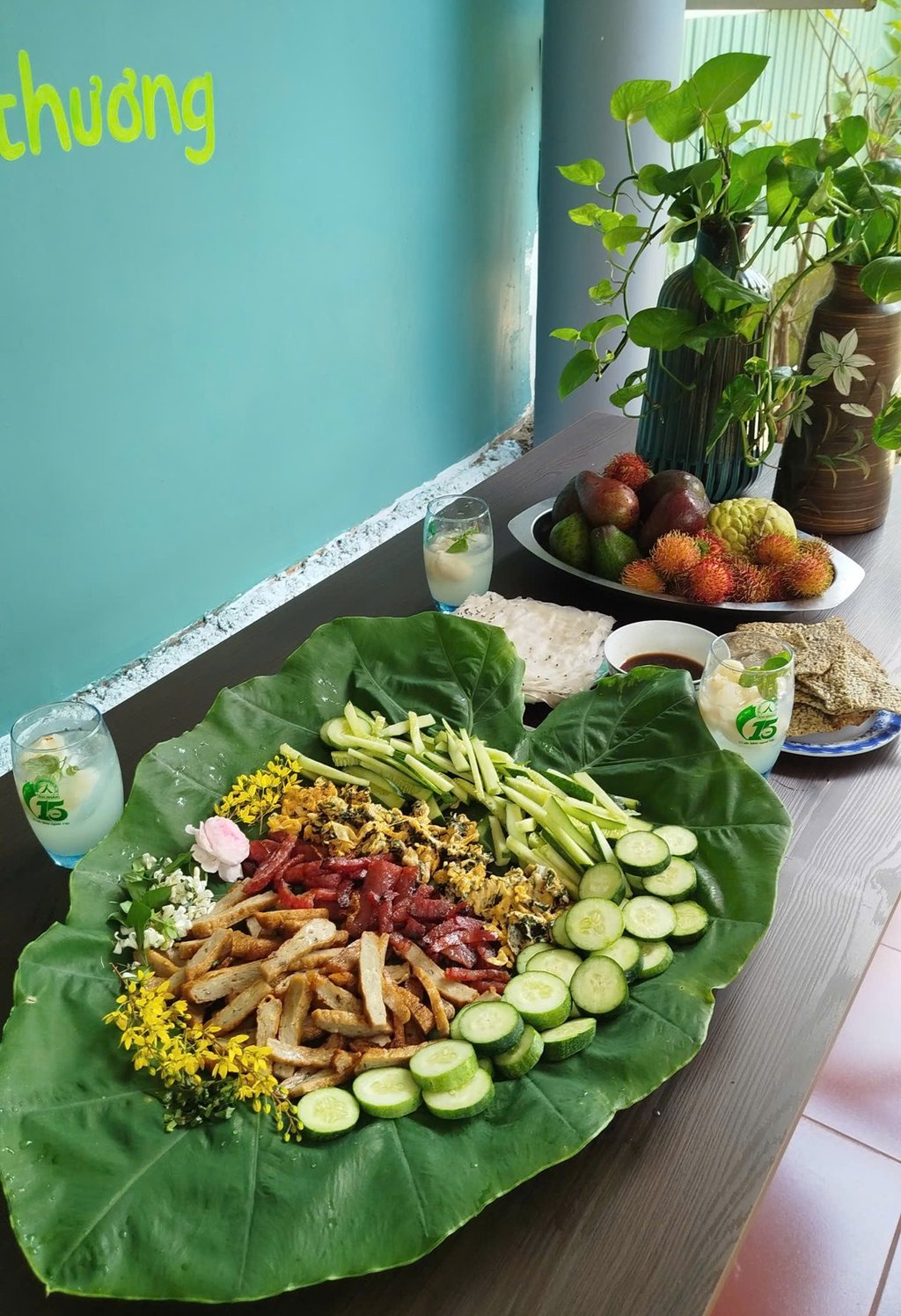

The Art of Balance — Yin, Yang, and the Vietnamese Way of Eating
Vietnamese cuisine is more than flavor — it’s philosophy. Rooted in the ancient concept of Yin and Yang and the Five Elements, every dish is created not only to please the senses, but to bring harmony to the body, mind, and environment.
1. Balance Within the Food Itself
Each ingredient carries its own “energy.” Vietnamese people classify food into five levels of Yin and Yang according to the Five Elements:
Cold (more Yin – Water)
Cool (less Yin – Metal)
Neutral (Earth)
Warm (less Yang – Wood)
Hot (more Yang – Fire)
A good cook knows how to combine Yin and Yang in perfect harmony — mixing ingredients, spices, and cooking methods to create dishes that are both flavorful and nourishing. For example, Vietnamese coriander, a hot (Yang) herb, balances the cold (Yin) nature of fertilized duck eggs. Ginger, a hot spice, is often paired with cold foods like fish or mustard greens, bringing warmth, fragrance, and balance to the meal.
2. Balance Within the Body
For Vietnamese people, food is medicine. Illness is seen as the body’s loss of Yin-Yang balance — and eating is a way to restore it.
Too much Yin (cold stomach)? Drink ginger tea.
Too much Yang (fever or dysentery)? Eat fried egg with perilla leaves to cool the body.
Healing begins with the way we eat, not just what we take as medicine.
3. Balance With Nature
Eating also follows the rhythm of the seasons:
In summer (Yang season), people enjoy cool, watery, sour foods — easy to digest and refreshing.
In winter (Yin season), they eat warm, fatty, spicy foods — stir-fried or braised — to keep the body strong.
Each meal honors the five nutrients (starch, protein, fat, water, minerals), five flavors (sour, spicy, sweet, salty, bitter), and five colors (white, green, yellow, red, black), representing the balance of the universe.